Knee-Friendly Booty Session
For many women, knee pain becomes an obstacle that interrupts their fitness routine, limits movement, and makes lower-body training feel intimidating. Yet glute strength is one of the most important components of joint stability, posture, mobility, and lower-body shape.
The good news is this:
You can absolutely build a stronger, rounder, toned booty even if your knees feel sensitive.
You do not need to squat deep. You do not need lunges. You do not need high-impact movements.
You simply need knee-friendly glute exercises that shift pressure away from the knees and into the actual muscles you want to grow.
This article gives you everything you need:
- why knee pain happens during booty workouts
- how to train without stress on the knees
- the best knee-friendly booty exercises
- a complete low-impact booty session
- posture and form adjustments to protect your joints
- long-term strengthening strategies
If knee sensitivity has ever discouraged you from training your lower body, this guide will change everything.
Let’s begin by understanding the connection between knees and glutes.
Why Knee Pain Happens During Booty Workouts
Many traditional leg exercises place force directly on the knee joint. When that force is paired with:
- weak glutes
- tight hip flexors
- poor ankle mobility
- quad dominance
- poor movement mechanics
the result is pressure that funnels straight into the knees.
Here are the most common reasons women feel knee pain during lower-body workouts:
1. Quad dominance
When the quadriceps overpower the glutes, the knee joint absorbs too much force. This is extremely common, especially in women who sit often, have weaker glutes, or learned squat patterns incorrectly.
2. Weak gluteus medius
This muscle stabilizes the hip and knee. Weakness here can cause the knee to cave inward, leading to pain during squats, lunges, and step-ups.
3. Tight hips and IT band
Hip tightness shifts movement into the knees instead of the glutes.
4. Poor joint alignment
If your feet rotate inward or outward excessively, your knees misalign under load.
5. Using the wrong exercises
Moves like forward lunges, deep squats, and jumping variations create unnecessary stress for sensitive knees.
The important thing is this:
Knee pain does NOT disqualify you from building incredible glutes.
It simply means your exercise selection needs to be strategic.
Why Training Your Glutes Actually Reduces Knee Pain
Strong glutes act like shock absorbers and stabilizers for your entire lower body. When your booty is weak, your knees compensate for your hips.
Glute strengthening helps:
- reduce joint load
- improve alignment
- stabilize your hips
- diminish knee inward collapse
- improve single-leg control
- reduce overworking of quads
This is why physical therapists often prescribe glute exercises for people with knee pain.
A knee-friendly booty program is not only possible, it is one of the best ways to protect your knees long-term.
Rules for Knee-Friendly Booty Training
Before we get into exercises, follow these principles for safe, effective workouts.
1. Avoid deep knee bending
No deep squats, forward lunges, step-downs, or heavy split squats.
Stick to hip-dominant movements.
2. Prioritize hip hinges and bridge patterns
These train the glutes without involving the knee joint much at all.
3. Use short ranges of motion if needed
You can still build strength without going deep.
4. Drive through your heels
This reduces quad involvement and shifts force into the glutes.
5. Train unilateral glute strength carefully
Keep movements controlled. Use support if necessary.
6. Strengthen the glute medius
Side-glute training dramatically reduces knee strain.
7. Always activate before training
A five-minute activation warm-up improves movement patterns and knee stability.
The Best Knee-Friendly Booty Exercises
These movements target the glutes while minimizing stress on the knees. They are approved by physical therapists and trainers specializing in joint-sensitive clients.
1. Glute Bridges
One of the safest and most effective booty exercises.
Little to no knee pressure, maximum glute activation.
2. Hip Thrusts (bodyweight or elevated)
Targets the gluteus maximus extremely effectively.
The knee angle stays constant, reducing strain.
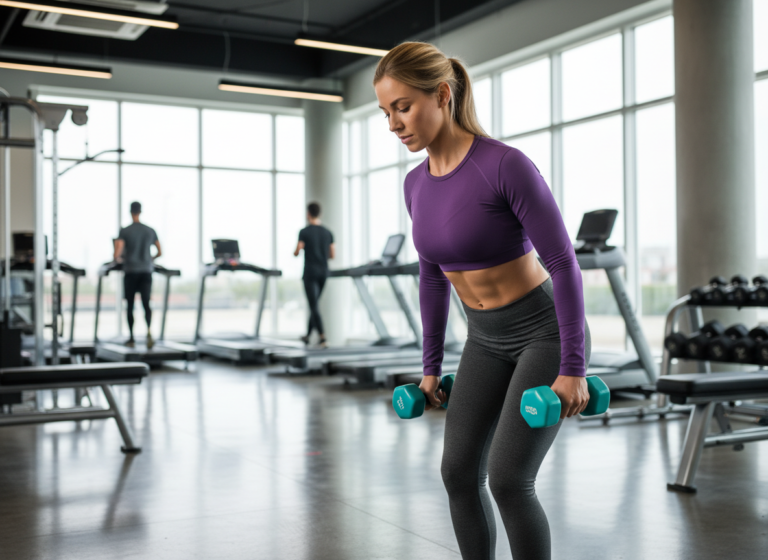
3. Romanian Deadlifts (RDLs)
A pure hip-hinge movement that strengthens the glutes and hamstrings without deep knee flexion.
4. Glute Bridge March
Strengthens each glute individually while keeping pressure off the knees.
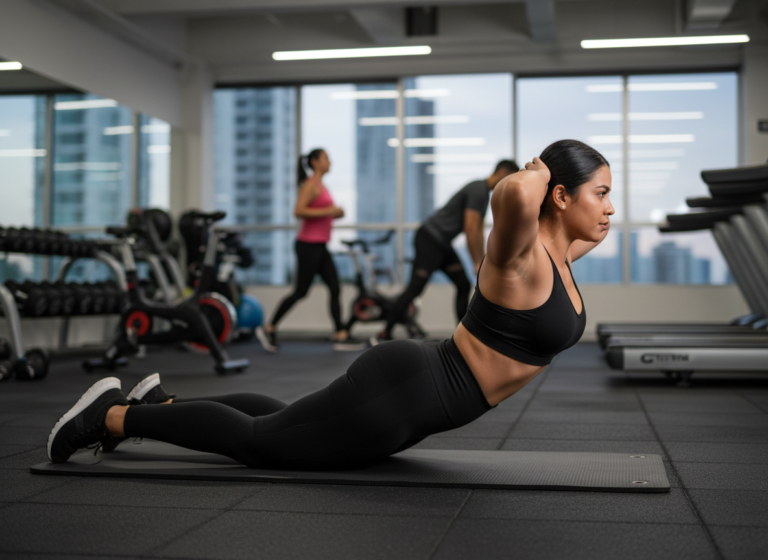
5. Reverse Hyperextensions (floor or bench)
Excellent for glute isolation without knee involvement.
6. Kickbacks (standing, kneeling, or banded)
Target the gluteus maximus with zero knee loading.
7. Fire Hydrants
Strengthen the glute medius, improving knee alignment.
8. Side-Lying Leg Lifts
One of the best knee-friendly solutions for targeting upper and outer glute shape.
9. Banded Abductions
Strengthen stabilizing muscles that keep the knees from collapsing.
10. Frog Pumps
Glute-packed movement with minimal joint involvement.
11. Hip Airplanes (modified)
Teaches balance and hip stability without bending at the knee.
12. Standing Hip Extensions
Machines or bands work well for isolating glutes.
These 12 movements form the foundation of your knee-friendly glute routine.
The Complete Knee-Friendly Booty Session
This is a full 20–25 minute workout programmed for safety, shape, and strength.
No lunges.
No squats.
No jumping.
No deep bends.
Just pure glute-building.
Warm-Up (3–5 Minutes)
Purpose: activate the glutes, stabilize hips, improve joint readiness.
- Glute squeezes — 20
- Standing abductions — 12/side
- Hip hinge practice — 10
- Fire hydrants — 10/side
A proper warm-up ensures your glutes fire during the main session instead of your knees or quads.
Main Workout (Knee-Friendly Booty Circuit)
Repeat the circuit 2–3 times depending on your fitness level.
1. Glute Bridges — 15 reps
Focus on slow lowering and hard squeezes at the top.
2. Hip Thrusts — 12 reps
Keep shins vertical.
This protects your knees and maximizes glute engagement.
3. Romanian Deadlifts — 12 reps
Bodyweight or dumbbells.
Hips move back, knees stay slightly bent.
4. Kickbacks — 12 reps each leg
Control the movement. Avoid arching your lower back.
5. Side-Lying Leg Lifts — 15 reps each side
Targets upper glutes, improves hip alignment.
6. Frog Pumps — 20 reps
Great for glute activation and burnout.
7. Clamshells — 15 reps each side
Strengthens glute medius, reducing knee instability.
Optional Add-On: Knee-Friendly Burnout Finisher
Choose one:
Option A: Isometric Booty Hold
Bridge hold — 45 seconds
Hip thrust hold — 30 seconds
Option B: Banded Outer Booty Burner
Band abductions — 30 reps
Kickbacks — 20 reps each side
These finishers help create shape and firmness, especially in the upper and side glutes.
Form Tips to Protect Your Knees
Keep your shins vertical
Avoid forward knee movement during thrusts or bridges.
Avoid knee valgus
Keep knees aligned with toes to prevent collapsing inward.
Engage your core during hinging
Stability protects the knees indirectly by supporting the pelvis.
Shorten your range of motion if needed
A smaller, controlled movement is safer than forcing depth.
Slow down
Rushing leads to poor alignment and increased joint stress.
How to Adjust Common Booty Exercises to Make Them Knee-Friendly
Many exercises can be modified so they become safe.
Squats
- Use a partial range
- Sit back more
- Raise your heels if ankle mobility is limited
- Use a chair as a target
Lunges
Replace with:
- reverse lunges (smaller step)
- stationary split stance (minimal knee bend)
- glute-focused step-backs
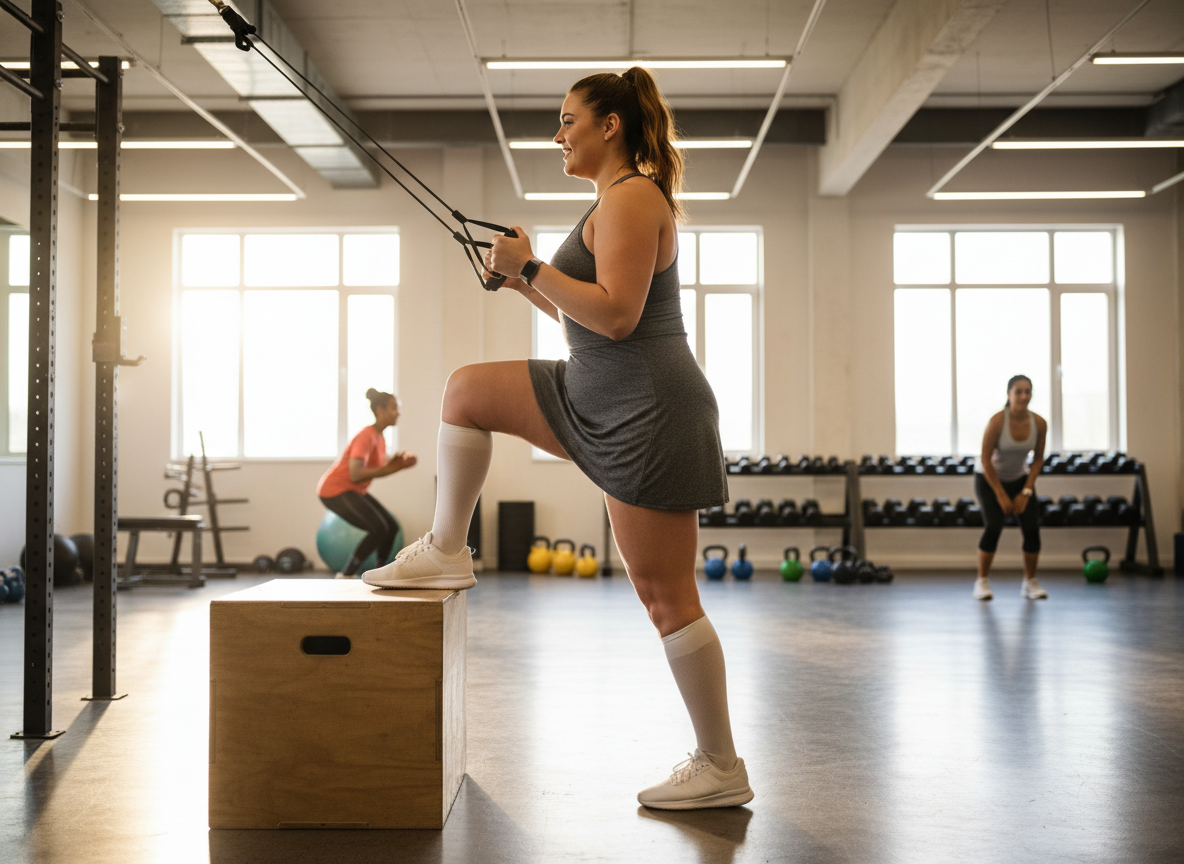
Step-Ups
Use a lower step or skip entirely if painful.
Deadlifts
Use lighter weight and hinge more through the hips, keeping knees soft but not strained.
The Role of Glutes in Knee Health
Strong glutes improve knee function in many ways:
1. Reduce forward knee travel
This decreases pressure on the kneecap and surrounding tendons.
2. Control thigh alignment
Glute medius prevents the knees from collapsing inward, a major pain trigger.
3. Improve shock absorption
Powerful glutes take stress off the joints during walking, running, and daily movements.
4. Enhance balance and stability
Better hip control = safer lower-body movement patterns.
A knee-friendly booty routine does more than build shape; it builds long-term knee resilience.
Long-Term Tips for Booty Growth Without Knee Pain
Strengthen the posterior chain
Include hamstrings and glute max regularly.
Stretch hip flexors
Tight hips increase knee strain.
Improve ankle mobility
Limited ankle range changes movement mechanics.
Wear proper shoes
Support and alignment reduce stress on joints.
Increase intensity without bending deeper
Use these methods instead:
- pulses
- holds
- slower tempos
- more resistance bands
- heavier hip thrusts
- more volume
Train consistently
Two to three booty sessions per week is optimal for shape and strength.
A Weekly Knee-Friendly Booty Training Plan
Here is a simple structure:
Monday — Strength + Hip Hinge
- Hip thrusts
- RDLs
- Glute bridge march
Wednesday — Outer Booty + Stability
- Side-lying leg lifts
- Fire hydrants
- Kickbacks
Friday — Glute Burn + Activation
- Frog pumps
- Bridge pulses
- Abductions
This structure avoids knee strain but ensures full glute development.
Who Is This Knee-Friendly Booty Program For?
- women with sensitive knees
- beginners learning proper form
- postpartum women regaining lower-body strength
- women with quad-dominance issues
- anyone recovering from knee discomfort
- home exercisers wanting safe but effective glute work
- plus-size beginners needing low-impact options
This approach is sustainable, effective, and accessible.
Final Thoughts: Strong Booty, Safe Knees
You do not need high-impact exercises or knee-heavy movements to build a round, lifted, strong booty.
A knee-friendly program can deliver:
- better glute activation
- improved shape and firmness
- enhanced hip stability
- reduced knee pain
- improved posture
- long-term confidence
The key is training the glutes directly, protecting the joints, and choosing movements that prioritize hip extension, abduction, and stability without deep bending.
With consistent practice, you’ll feel stronger, move better, and see noticeable booty transformation — all while keeping your knees safe.
Your glute journey does not depend on perfect joints; it depends on smart training.