Reps, Sets, Tempos for a Toned Booty
Training your glutes is not just about choosing the right exercises.
Two women can perform the same hip thrust, the same squat variation, and the same glute bridge, yet see completely different results.
Why?
Because the real transformation happens in the details:
- how many reps you perform
- how many sets you complete
- how long you rest
- how fast or slow you move through each rep
- how long you hold the squeeze
- how much time your glutes stay under tension
Reps, sets, and tempo are the blueprint behind every toned, sculpted, lifted booty. Most people overlook them, focusing only on exercise selection. But if you understand how programming variables truly work, your results can dramatically change — even with the same exercises.
This guide breaks down the science and artistry of reps, sets, and tempo so you can build glute programs that create shape, firmness, and lasting results.
Let’s simplify the fundamentals.
Why Reps, Sets, and Tempos Matter for Glute Growth
Your glutes respond to stimulus. That stimulus is created through:
- Mechanical tension
- Metabolic stress
- Muscle damage
Reps, sets, and tempo are the tools you use to manipulate those factors.
Think of it this way:
- Reps = how long the muscle works
- Sets = how often the muscle is pushed
- Tempo = how the tension is applied
If these variables are not structured correctly, your booty training becomes random — and random training equals random (slow) results.
When they are structured correctly, you can:
- tone without bulking
- build roundness in the upper glutes
- lift a sagging booty
- firm and define
- strengthen the hips
- improve symmetry
- break plateaus
This is the foundation of smart booty programming and the key to training with purpose.
Understanding Reps: How Many Should You Do for a Toned Booty?
Different rep ranges create different results. You cannot use the same rep strategy for every goal. Glute training is most effective when you blend rep ranges across the week.
Here’s what each rep zone does.
Low Reps (5–8 reps): Strength and Shape Foundation
Low reps with heavier weight build strength and help the glutes fire more efficiently.
Benefits:
- increases neural activation
- builds foundational strength
- improves mind-muscle connection with load
- helps grow shape by improving force output
Best exercises for low reps:
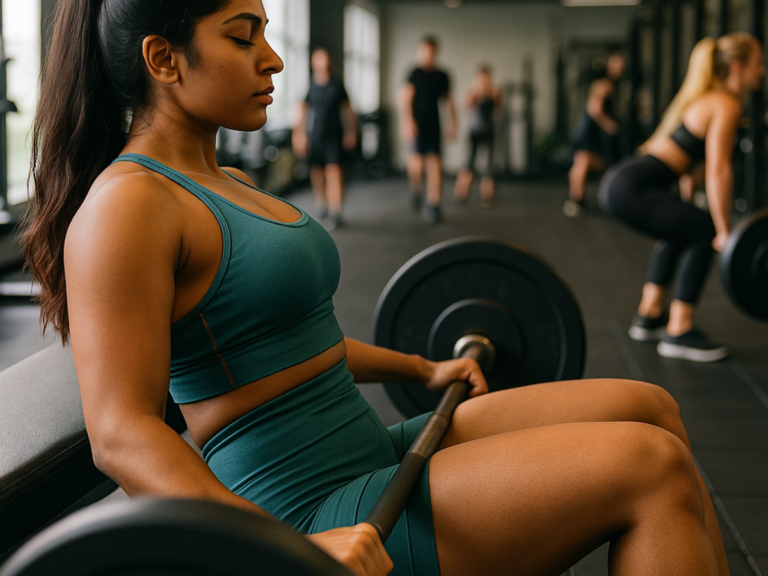
- hip thrusts
- Romanian deadlifts
- Bulgarian split squats
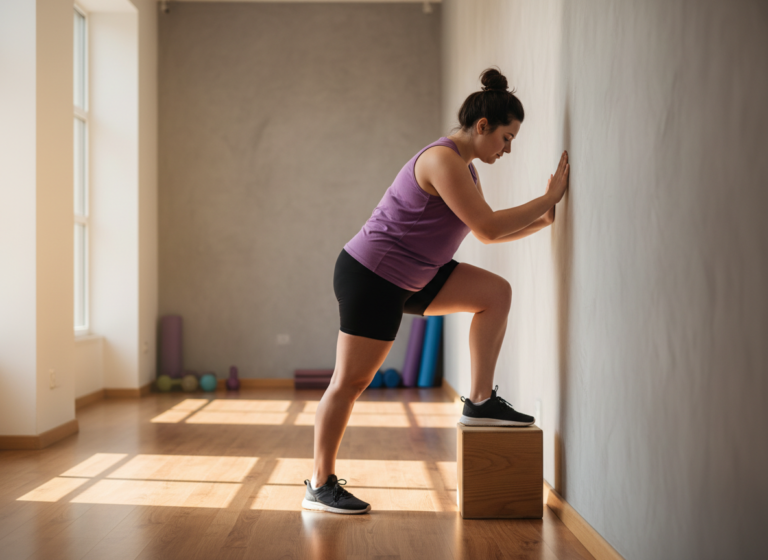
- step-ups
Use low reps for:
- building a lifting foundation
- advanced training cycles
- strength-focused booty days
Moderate Reps (8–15 reps): The Sweet Spot for Toning and Shaping
This rep range is where most glute growth happens.
Benefits:
- builds tone and firmness
- increases muscle mass in a controlled way
- enhances definition
- improves muscle endurance
Best for:
- women wanting a rounder, toned booty
- building upper-glute curve
- shaping the lower glutes
Use moderate reps for:
- hip thrusts
- glute bridges
- lunges
- kickbacks
- step-ups
High Reps (15–30+ reps): Burn, Pump, and Sculpt
This zone is excellent for metabolic stress — the intense burn that boosts blood flow and creates the firm, sculpted look.
Benefits:
- creates a deep pump
- increases time under tension
- enhances muscle definition
- reduces hip dips by targeting upper glutes with high-rep abductions
Best exercises:
- abductions
- frog pumps
- bridge pulses
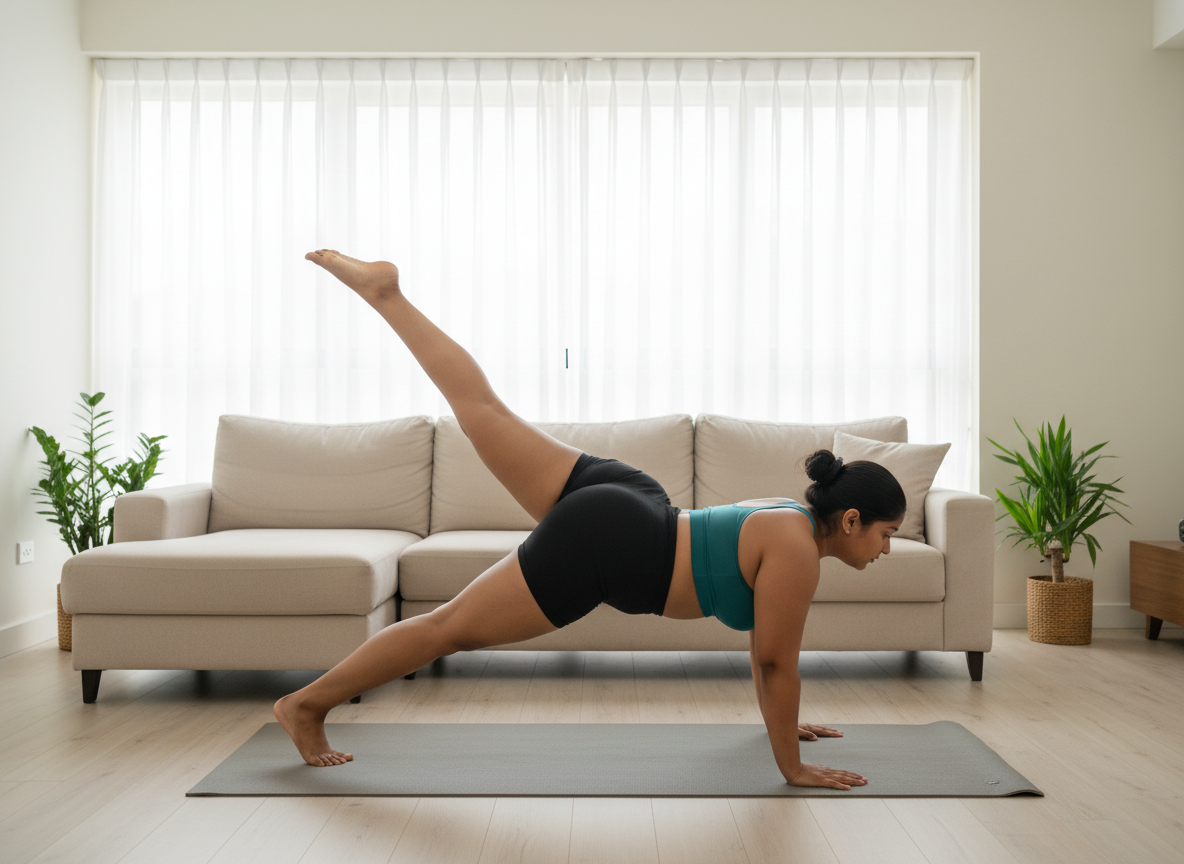
- donkey kicks
- side-lying hip lifts
Use high reps as:
- finishers
- burnout sets
- lightweight accessory training
How to Use Reps for Different Booty Goals
Goal: Tone and Firmness
Target: 10–20 reps
Focus: controlled tempo, consistent tension
Goal: Roundness and Curve
Target: 12–30 reps
Focus: upper-glute exercises, banded movements
Goal: Lift a Sagging Booty
Target: 8–15 reps
Focus: hip thrust variations, RDLs, step-ups
Goal: Strength
Target: 5–8 reps
Focus: progressive overload with safe form
Understanding Sets: How Many Sets Do Your Glutes Need?
Sets determine volume, and glutes need volume to grow. But more is not always better. The right amount depends on your level.
Beginners: 8–12 total sets per week
Example:
- 3 sets hip thrusts
- 3 sets bridges
- 2 sets kickbacks
- 2 sets lunges
Total = 10 sets
Perfect for beginners.
Intermediate: 12–20 total sets per week
This is where most women should aim.
Example:
- Booty Day 1: 7–10 sets
- Booty Day 2: 7–10 sets
Total = 14–20 weekly sets
Advanced: 18–30 sets per week
This includes multiple booty days and specialized emphasis training.
Example:
- Day 1: 8–10 sets
- Day 2: 8–10 sets
- Day 3 (pump day): 4–6 sets
Total = 20–26 sets weekly
The Important Rule: Not All Sets Are Equal
A set only counts if:
- the glutes actually worked
- you used correct form
- you felt the muscles contract
- you came close to fatigue
Half-effort sets do not produce tone or lift.
Understanding Tempo: The Secret Behind Real Glute Shape
Tempo is the rhythm of each exercise. It determines how long your muscles stay under tension.
Tempo is usually written like this:
3 – 1 – 2 – 1
Meaning:
- 3 seconds lowering
- 1 second pause/stretch
- 2 seconds lifting
- 1 second squeeze at the top
Playing with tempo can completely change how an exercise feels and what it does.
Slow Tempo = Increased Shape and Tone
Using a slower tempo increases time under tension, which builds firmness.
Example:
- 3 seconds down
- 1 second hold
- 2 seconds up
Use slow tempo for:
- glute bridges
- RDLs
- side-lying lifts
Fast Tempo = Pump and Burn
Fast reps work well for high-rep exercises like:
- frog pumps
- abductions
- pulses
Use for sculpting and finishers.
Paused Tempo = Better Lift and Roundness
Adding a pause creates extra activation.
Best pause positions:
- top of hip thrust
- top of bridge
- top of kickback
Pausing forces your glutes to contract harder, creating more definition.
How to Choose the Right Tempo for Your Goal
Goal: Tone and Firmness
Use slow tempo: controlled lowering, strong squeeze
Goal: Lift
Use paused tempo: hold at the top for peak contraction
Goal: Roundness
Use a mix of moderate and high-rep fast tempos
Goal: Strength
Use explosive up-tempo with controlled lowering
Putting It All Together: Example Tempo Prescriptions
For hip thrusts:
- 2 seconds up
- 1 second hold
- 3 seconds down
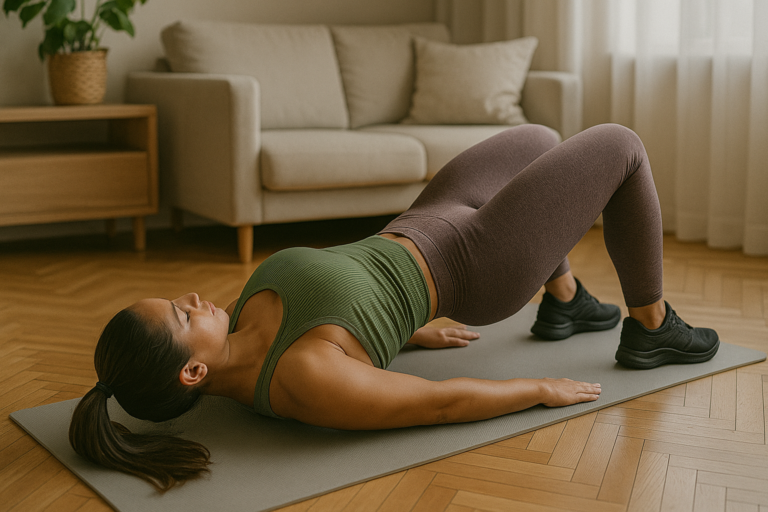
For bridges:
- 1 second up
- 2 second squeeze
- 2 second down
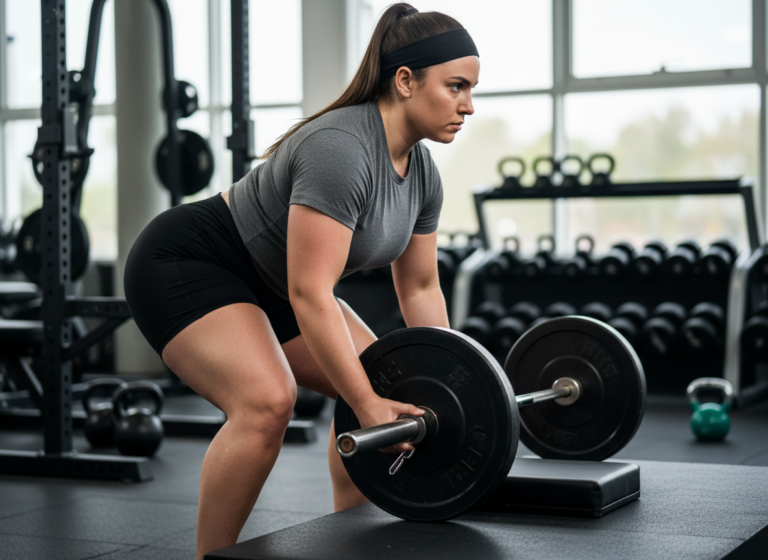
For RDLs:
- 3–4 seconds down
- 1 second stretch
- 1–2 seconds up
For abductions:
- fast tempo, controlled range
Sample Booty Workouts Using Reps, Sets, and Tempo
Here are three pre-built workouts showcasing how to apply all three variables.
Workout 1: Tone and Lift
- Hip Thrusts
4 sets × 10 reps
Tempo: 2–1–2–1 - Reverse Lunges
3 sets × 12 reps per side
Tempo: 3–0–1–1 - Glute Bridges
3 sets × 15 reps
Tempo: 1–1–2–1 - Frog Pumps
2 sets × 25 reps
Tempo: fast
Workout 2: Roundness and Shape
- Step-Ups
3 sets × 12 reps
Tempo: controlled - Kickbacks
3 sets × 15 reps
Tempo: 1–1–2–1 - Side-Lying Lifts
3 sets × 20 reps
Tempo: slow - Banded Abductions
2 sets × 40 reps
Tempo: fast
Workout 3: Strength Foundation
- Hip Thrust (heavy)
5 sets × 6 reps
Tempo: 1–1–1–1 - RDLs
4 sets × 8 reps
Tempo: 3–0–1–1 - Bulgarian Split Squat
3 sets × 8 reps
Tempo: 2–0–2–1
Common Mistakes in Reps, Sets, and Tempo
- Using the same rep range for every exercise
- Rushing through the lowering phase
- Not holding the squeeze at the top
- Doing too many sets with no intensity
- Skipping variation (no stimulus change)
- Not training close enough to fatigue
- Overloading weight with poor tempo control
Avoiding these will dramatically improve your glute results.
How to Progress Week by Week
Each week, choose ONE progress point:
- add 1–2 reps
- add 1 more set
- slow the tempo
- increase weight
- add a longer squeeze
- reduce rest time
Slow progression is sustainable and effective.
Final Thoughts: Programming Is the Difference Between Training and Transforming
You could do 100 random glute exercises and never see significant change.
Or you could master reps, sets, and tempo — and transform your shape with just a few smart movements.
Your booty responds to structure:
- targeted rep ranges
- strategic set volume
- intelligent tempo control
- consistency over weeks
- steady progression over months
This is how women achieve toned, round, lifted glutes without frustration or confusion.
Train with intention, not repetition.
The results will reflect your strategy.