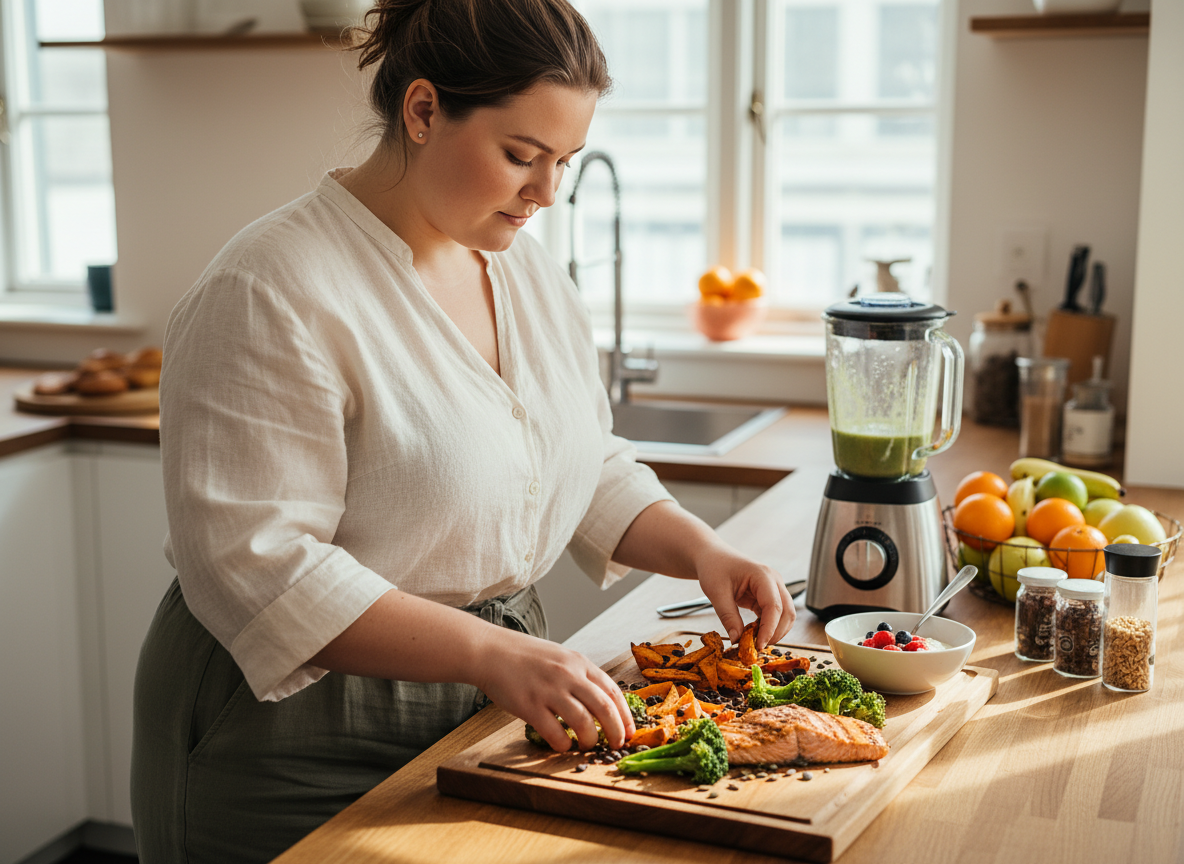
Nutrition Basics for Glute Growth & Tone
Building a rounder, stronger, more toned booty isn’t only about how you train.
It’s also about how you fuel your body.
Glute muscles respond to resistance training, but they grow from the nutrients you consume and the recovery your body receives. Without the right nutrition strategy, even the best workout program will produce slow or inconsistent results.
This article breaks down the essential nutrition principles women need to build and tone their glutes effectively. Whether your goal is a fuller, firmer look or long-term strength and shape, the foundation always comes back to food, fuel, and consistency.
Let’s simplify the science and make booty nutrition practical, enjoyable, and sustainable.
Why Nutrition Matters for Glute Growth and Tone
Many women work hard on hip thrusts, bridges, lunges, and squats—yet see minimal progress because their glutes lack the building blocks required for growth.
There are three major components of booty transformation:
- Training creates the stimulus.
- Nutrition provides the raw materials to repair and grow muscle.
- Recovery allows those materials to rebuild and strengthen fibers.
Neglect one, and results slow down dramatically.
Glute muscles are among the largest in the body, which means they require:
- more protein to build new tissue
- sufficient carbohydrates to fuel performance
- healthy fats to keep hormones balanced
- proper hydration for muscle activation and recovery
- vitamins and minerals to support energy, metabolism, and repair
Your booty is an engine. What you put into it determines what you get out of it.
The Three Nutritional Goals of Booty Training
To build or tone your glutes, your nutrition should achieve:
1. Muscle Growth (Hypertrophy)
Muscle fibers damaged during workouts need nutrients to rebuild larger and stronger.
2. Fat Balance
Tone comes from increasing muscle and maintaining an optimal body-fat range—not being underfed or over-restrictive.
3. Performance Fueling
You need enough energy to perform glute exercises with the right intensity and tempo.
This is why restrictive dieting works against booty growth.
And why proper fueling makes everything easier.
The 5 Essential Nutritional Elements for Glute Growth
Let’s break them down one by one.
1. Protein: The Foundation of Booty Building
Protein is the primary nutrient responsible for repairing and growing glute muscles.
Without enough protein, your glutes simply cannot grow, regardless of how hard you train.
How much protein do you need?
Most women aiming for glute development should consume:
0.7–1 gram of protein per pound of bodyweight daily
(Or about 1.6–2.2 grams per kilogram)
If that feels high, start increasing gradually.
Best protein sources for glute growth
- Chicken breast
- Lean beef
- Fish (salmon, tuna, cod)
- Eggs and egg whites
- Greek yogurt
- Cottage cheese
- Protein powder (whey, plant-based)
- Tofu, tempeh
- Lentils and beans
Protein timing matters
After booty workouts, aim to consume 20–30 grams of protein within 1–2 hours to support muscle recovery.
The glutes need consistent protein throughout the day, so distribute intake across meals instead of eating most of it at night.
2. Carbohydrates: The Fuel for Strong, Intense Glute Workouts
Carbs often get a bad reputation among women, but when the goal is a toned booty, they become essential.
Your body uses glycogen (stored carbs) to power:
- hip thrusts
- RDLs
- lunges
- glute circuits
- high-volume training days
Without carbs, you may experience:
- weak glute activation
- poor workout intensity
- early fatigue
- slower progress
Best carb sources for glute training
Choose slow-digesting, clean carbohydrates:
- Oats
- Quinoa
- Brown rice
- Potatoes and sweet potatoes
- Whole-wheat bread or wraps
- Fruit (bananas, berries, apples, oranges)
- Beans and legumes
How many carbs do you need?
For most active women:
40–55 percent of total daily calories from carbohydrates supports glute training intensity.
Have a carb-rich meal or snack 1–2 hours before a lower-body workout for maximum strength and power.
3. Healthy Fats: Essential for Hormones, Muscle, and Recovery
Without proper fat intake, your body cannot maintain:
- hormonal balance
- muscle recovery
- joint health
- energy levels
- vitamin absorption
Healthy fats support estrogen and other hormones that influence where your body stores fat and how effectively you build muscle.
Best fat sources for glute-friendly nutrition
- Avocado
- Nuts: almonds, walnuts
- Seeds: chia, flaxseed, pumpkin seeds
- Olive oil
- Fatty fish
- Nut butters
- Eggs
Daily fat intake
Aim for:
25–30 percent of daily calories from healthy fats.
Avoid extremely low-fat diets—they can hinder glute growth.
4. Hydration: Overlooked but Critical
Hydration impacts:
- muscle activation
- performance
- nutrient transport
- glute pump
- flexibility
- recovery
Dehydrated muscles feel weak and cannot contract properly, which reduces glute activation during workouts.
Hydration guideline
Aim for:
- 2.5–3 liters per day for most active women
- Add more on hot days or high-intensity training days
Electrolytes help, especially if you sweat heavily.
5. Micronutrients: The Hidden Key to Booty Shape
Vitamins and minerals play essential roles in muscle building and energy production.
Important micronutrients for glutes
- Vitamin D: improves muscle strength and mood
- Magnesium: helps muscle contraction, reduces cramps
- Calcium: supports movement and bone health
- Iron: essential for energy and blood flow
- B Vitamins: aid in metabolism and muscle repair
- Potassium and Sodium: support hydration and nerve function
Food should provide most of these, but supplementation can help if your diet is lacking.
Do You Need to Eat in a Calorie Surplus to Grow Your Glutes?
This depends on your goal:
If you want fuller, rounder glutes:
A slight calorie surplus helps:
200–300 extra calories per day
paired with protein-rich meals and glute-focused training.
If you want to tone without adding size:
Eat at maintenance calories while prioritizing protein and clean carbs.
If fat loss is the goal while building shape:
A small calorie deficit can work, as long as:
- protein is high
- workouts are consistent
- glute activation is strong
Tone does not come from starving your body—it comes from balancing intake with strength training.
Booty Meal Timing: What to Eat and When
Keeping fueling windows in mind can dramatically improve performance and recovery.
Pre-Workout Booty Meal (1–2 hours before)
Focus on:
- clean carbs
- lean protein
- hydration
Examples:
- oats with berries and yogurt
- a banana with peanut butter and a protein shake
- chicken and rice
- Greek yogurt with honey
This boosts energy and glute activation during heavy exercises.
Post-Workout Booty Meal (within 2 hours)
Your muscles are primed to absorb nutrients.
Prioritize:
- 20–30 grams of protein
- carbs to replenish glycogen
- micronutrients for recovery
Examples:
- salmon with sweet potato
- chicken wrap with vegetables
- protein shake plus a banana
- eggs and whole-grain toast
Avoid skipping meals after glute training.
The Best Foods for Toning the Booty
Not everyone wants a larger booty; some want firmness, shape, and definition.
Foods for toning include:
- protein-rich meals
- moderate carbs
- low-processed fats
- high-fiber vegetables and fruit
Combine this with high-rep pump workouts for maximum toning.
Sample Daily Meal Plan for Glute Growth
This is a simple but effective outline for active women:
Breakfast
- Oatmeal with chia seeds, berries, and Greek yogurt
- Black coffee or tea
- Water
Snack
- Protein shake
- Banana or apple
Lunch
- Chicken breast or tofu
- Rice or quinoa
- Steamed vegetables
- Olive oil drizzle
Snack
- Almonds
- Cottage cheese or yogurt
Dinner
- Salmon or lean beef
- Sweet potato
- Green vegetables
Before Bed (optional)
- Cottage cheese
- Herbal tea
Foods That Slow Down Glute Results
Not all foods help your booty goals.
These slow recovery, cause inflammation, or interfere with performance.
- Excessive sugar
- Highly processed snacks
- Fast food
- Fried foods
- Alcohol in large amounts
- Extremely low-calorie diets
- Very low-carb or zero-carb diets
Balance is key, not perfection.
Supplements That Support Glute Growth
Supplements are optional but can help:
- Whey or plant-based protein
- Creatine monohydrate
- Omega-3 fish oil
- Vitamin D
- Electrolytes
- Magnesium
Nothing replaces whole food, but supplements fill gaps.
Common Nutrition Mistakes Women Make When Training Glutes
Avoid these pitfalls:
1. Eating too little protein
Glutes cannot grow without building blocks.
2. Underfueling workouts
Low energy = weak glute activation.
3. Trying to lose weight and build muscle simultaneously
Possible, but slow and requires careful planning.
4. Avoiding carbs
Carbs power glute exercises more than any other macro.
5. Overeating “healthy fats”
Portion control still matters.
6. Ignoring water intake
Hydration affects muscle function directly.
How Long Until Nutrition Shows in Your Booty Results?
The timeline varies, but most women notice:
- 2 weeks: better energy, improved activation
- 4–6 weeks: tighter, firmer glutes
- 8–12 weeks: visible growth and tone
- 12+ weeks: major transformation
Consistency beats intensity.
Final Thoughts: Nutrition Is the Secret Weapon Behind a Toned, Shaped Booty
Your booty responds to what you eat, not only how you train.
Building or toning glutes is a full-body, whole-lifestyle process that blends training, recovery, and nutrition into one cohesive strategy.
If you want:
- fuller glutes
- firmer shape
- a lifted profile
- better strength
- long-term results
Your nutrition has to support your goals as deliberately as your workouts.
Focus on:
- protein for building
- carbs for energy
- fats for hormone balance
- hydration for performance
- micronutrients for recovery
Fuel your glutes well, and they will respond.
Your booty is built in the gym, but it grows in the kitchen.