
Postpartum Booty Comeback
Pregnancy changes a woman’s body in extraordinary ways. The hips widen, posture shifts, ligaments loosen, muscles stretch, and the glutes often become weaker and flatter. Many new mothers look in the mirror and wonder:
Where did my booty go?
This feeling is extremely common, yet rarely talked about openly.
The postpartum body is powerful, beautiful, and resilient — but it also deserves dedicated care and strength work, especially when it comes to rebuilding the glutes.
The good news is this:
A lifted, round, firm, beautifully shaped booty can be rebuilt after pregnancy. In fact, glute training plays a major role in improving posture, reducing back pain, supporting daily movement, building confidence, and helping your body feel strong again.
This guide gives you everything you need to understand your postpartum booty, why it changes, and the exact steps to bring it back — safely, effectively, and sustainably.
Why the Booty Changes After Pregnancy
Many women notice:
- a flatter butt
- loss of roundness
- reduced lift
- less firmness
- weaker glute activation
- hip and lower-back discomfort
These changes are normal and happen for several reasons.
1. Hormonal Changes Loosen the Pelvis
During pregnancy, the hormone relaxin increases to prepare the pelvis for childbirth.
Relaxin softens ligaments and contributes to:
- pelvic instability
- decreased glute engagement
- an anterior pelvic tilt
- altered walking mechanics
When the pelvis tilts forward and the hips shift, the glutes become underactive and lose their lifted appearance.
2. Weight Redistribution and Muscle Loss
Many women gain fat in areas like hips, thighs, or lower back while losing glute muscle because:
- daily activity declines
- mobility reduces
- certain movements become uncomfortable
- sitting becomes more common
- glute activation decreases
Muscle loss = a flatter look.
3. The Glutes Compensate for Weakened Core
Pregnancy stretches the abdominal walls.
A weakened core often forces the lower back and hips to compensate.
The glutes detach from their normal strength role and become less active.
This is why rebuilding core stability and glute function together is essential.
4. Postpartum Life Reduces Glute Engagement
After birth, your entire day revolves around the baby. This often includes:
- sitting to nurse
- holding a baby on one hip
- bending forward constantly
- pushing strollers
- carrying baby gear
These activities overload some muscles (like quads, traps, and lower back) and weaken others (like glutes and mid-core).
Gradually, the booty loses its shape.
The Postpartum Booty: What You Can Realistically Expect
Before we go into exercises, it’s important to understand the postpartum body through a compassionate and realistic lens.
1. You can rebuild your glutes.
Muscles respond to training at any age and any stage. It’s never too late.
2. Your glutes may look even better than before pregnancy.
Many women build stronger, more shapely glutes afterward because they train with better intention and structure.
3. Progress will take patience.
Your body has been through an intense physical transformation. Healing is not linear, and consistency matters more than speed.
4. You must listen to your body.
Postpartum training is not about pushing hard. It is about rebuilding intelligently.
5. You must get medical clearance first.
Before starting this or any workout plan, ensure your doctor has cleared you for exercise.
How Strong Glutes Help the Postpartum Body
Rebuilding glute strength offers benefits far beyond appearance.
Less Back Pain
Stronger glutes take pressure off the lower back.
Better Pelvic Stability
The glutes stabilize the pelvis, reducing hip pain and preventing injury.
Improved Walking and Lifting Mechanics
Carrying a baby, pushing strollers, and lifting bags become easier.
Better Posture
Glute training helps reverse the anterior pelvic tilt caused by pregnancy.
Renewed Body Confidence
Seeing your strength return can dramatically shift your self-image and motivation.
Before You Begin: Safety Guidelines for Postpartum Glute Training
Postpartum is not the time for random online workouts. You must follow safe, structured progression.
1. Start only after medical clearance.
Usually 6–12 weeks postpartum, depending on your delivery type.
2. If you have diastasis recti, avoid intense abdominal pressure.
Glute exercises are still safe but modify movements that strain the midline.
3. Move slowly with full control.
4. Pay attention to pelvic floor cues.
Stop if you experience:
- heaviness
- pain
- leaking
- pressure in the pelvic area
5. Build your core along with your glutes.
A strong core supports glute activation.
The Postpartum Booty Comeback Formula
Rebuilding your glutes requires three pillars:
Pillar 1: Activation
Wake the glutes up again. Correct sleepy muscles.
Pillar 2: Strength
Build foundational strength with controlled movements.
Pillar 3: Sculpting
Add roundness, lift, and shape with targeted exercises.
Below is the full, structured postpartum booty plan.
Phase 1: Activation and Reconnection (Weeks 1–2 of Training)
Your first goal is not intensity.
It is reawakening the glutes.
These exercises teach your body how to move correctly again.
Do this routine 2–3 times per week.
1. Glute Squeezes
20 reps
Focus on deep, strong contractions.
2. Pelvic Tilts
15 reps
Restores pelvic control and reduces back tightness.
3. Bridge Holds
3 sets of 15–20 seconds
Improves glute activation without stressing the pelvis.
4. Clamshells
3 sets of 12 per side
Targets the upper glutes and improves stability.
5. Side-Lying Hip Raises
2 sets of 12 per side
Helps reshape the hips and outer glutes.
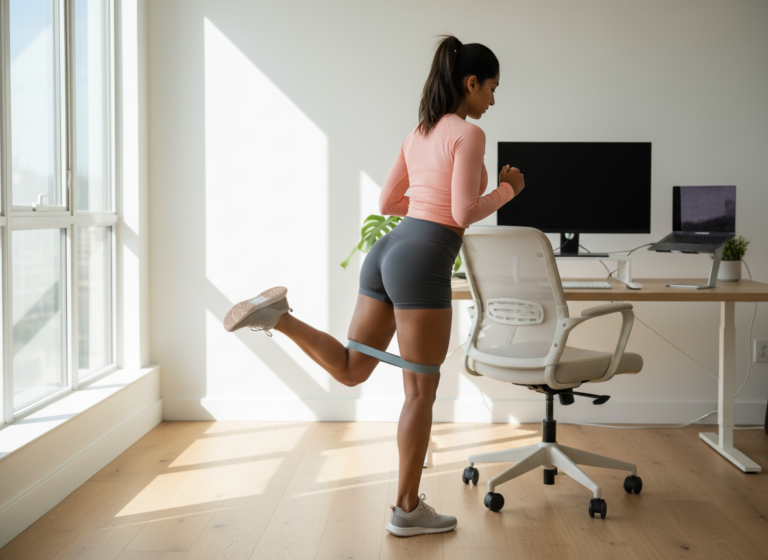
6. Standing Kickbacks
2 sets of 10 per leg
Builds gentle strength while improving the mind-muscle connection.
These movements alone can improve shape and stability within two weeks.
Phase 2: Strength Foundations (Weeks 3–5)
Once your activation improves, it is time to introduce strength-building movements.
These safely increase muscle tone, firmness, and lift.
Perform this routine 2–3 times per week.
1. Glute Bridges
4 sets of 12
Add a slow eccentric (lowering phase) for better growth.
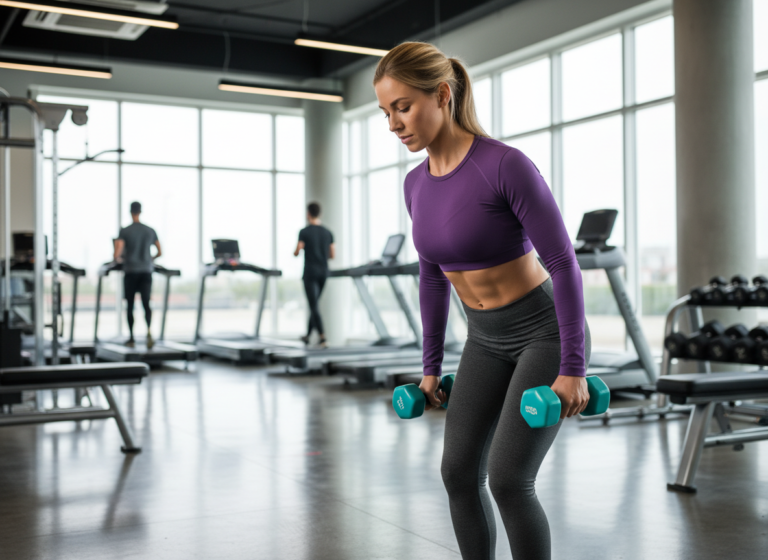
2. Hip Hinge Training (Beginner Romanian Deadlifts)
3 sets of 10
Use bodyweight or a very light dumbbell.
Strengthens the entire posterior chain.
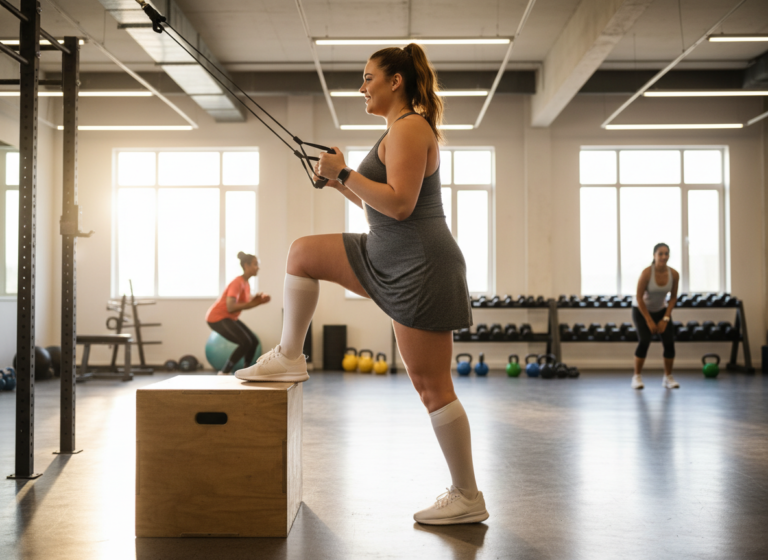
3. Step-Ups
3 sets of 10 per leg
Rebuilds strength in functional movement patterns.
4. Reverse Lunges (Gentle Range)
2 sets of 8 per leg
Targets glutes more than quads and protects the knees.
5. Side-Lying Leg Lifts
2 sets of 15
Shapes the upper booty.
6. Frog Pumps
2 sets of 20
Creates a sculpting burn without intense strain.
This phase is designed to help you regain strength safely while building the foundation for shape.
Phase 3: Sculpting and Shaping (Weeks 6–10)
Now that strength and activation are improving, you can sculpt roundness and lift.
Perform this 2–3 times per week, with rest days in between.
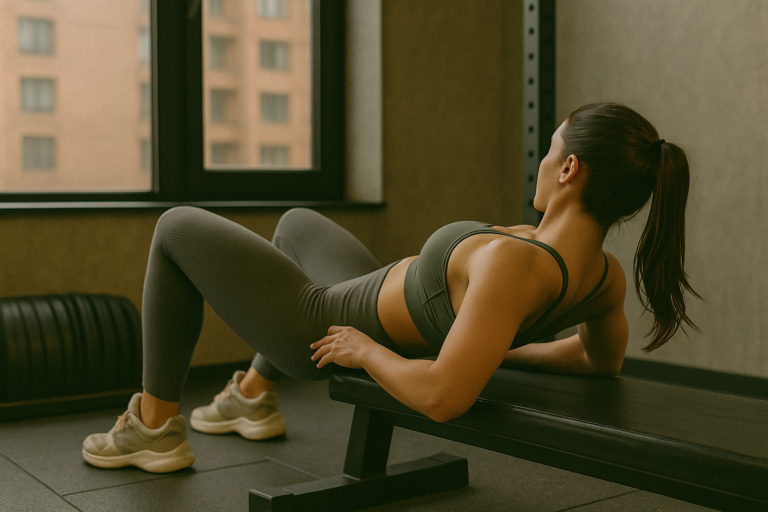
1. Hip Thrusts (Bodyweight or Light Weight)
4 sets of 12
The best builder of lower and mid-glute shape.
2. Single-Leg Glute Bridges
3 sets of 10 per leg
Improves symmetry and roundness.
3. Curtsy Lunges
3 sets of 12 per side
Targets the upper outer glutes, crucial for hip dips and roundness.
4. Romanian Deadlifts
3 sets of 12
Builds the lifted C-curve under the butt.
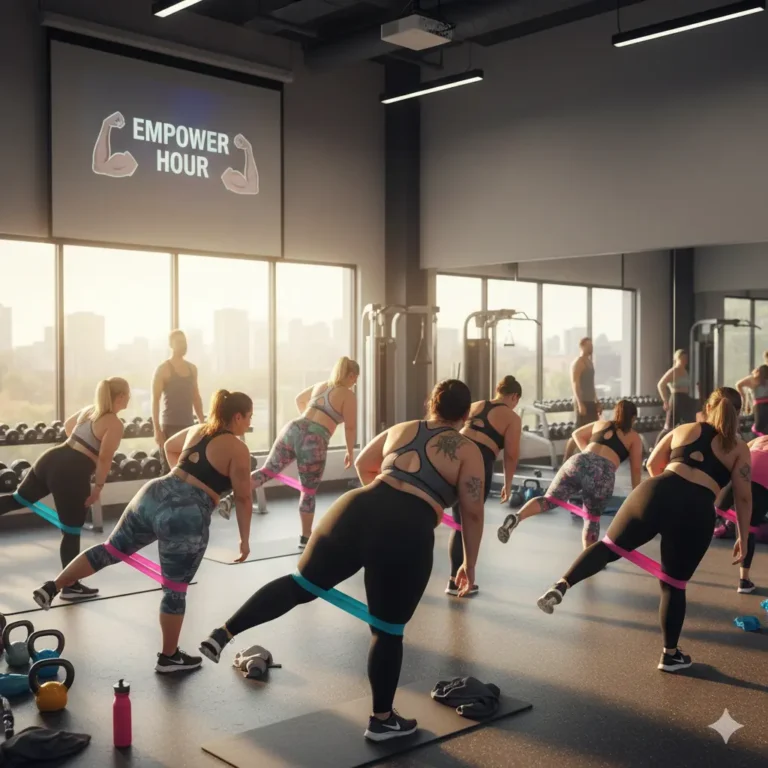
5. Abductions (Standing or Banded)
3 sets of 20
Adds upper-booty sculpting and stability.
6. Donkey Kicks
2 sets of 15 per side
Great for finishing and emphasizing the gluteus maximus.
7. Bridge Pulses
40–50 reps
Adds pump, fullness, and tone.
This is the phase where new moms begin seeing significant visual change.
Postpartum Booty Training: Progress Expectations
Everyone’s journey is different, but most women experience:
Weeks 1–2
Better activation, reduced stiffness, improved posture.
Weeks 3–5
Increased strength.
Early firmness in the lower glutes.
Weeks 6–10
Visible roundness, lift, and shape improvement.
Months 3–6
Major transformation.
More definition, smoother hip dips, better symmetry.
One Year and Beyond
Booty often becomes stronger and shapelier than pre-pregnancy.
Tips to Maximize Postpartum Glute Results
1. Go slow and prioritize form.
2. Never hold your breath.
Focus on controlled breathing to protect the pelvic floor.
3. Strengthen your deep core.
Including the transverse abdominis improves glute engagement.
4. Stretch your hip flexors regularly.
Tight hips suppress glute activation.
5. Walk daily.
Walking with intentional glute engagement is one of the best postpartum habits.
6. Eat enough protein.
Your body needs nutrients to rebuild muscle.
7. Rest when needed.
Postpartum fatigue is real; recovery matters.
A Gentle Sample Weekly Postpartum Booty Schedule
Monday
Activation + Strength Routine
Wednesday
Activation + Sculpting Routine
Friday or Saturday
Full Sculpting Routine
Daily (Optional)
5-minute activation habits
This structure supports strength, recovery, and progression.
When to Seek Professional Help
If you experience:
- pelvic heaviness
- leaking
- sharp pelvic pain
- severe core weakness
- difficulty controlling movements
Consult a pelvic floor physical therapist.
Many postpartum women benefit from guided rehabilitation.
Final Thoughts: Your Postpartum Booty Comeback Is 100 Percent Possible
Bringing life into the world is a profound accomplishment. Your postpartum body deserves patience, respect, and strategic training — not pressure, judgment, or comparison.
Your glutes can absolutely become strong, lifted, rounded, and sculpted again. Many women find they feel even more powerful than before pregnancy.
Your comeback is not about “getting your old body back.”
It is about building a new, stronger, more confident version of yourself.
And with activation, strength, and sculpting work, your glutes can transform beautifully.