TonedBooty FAQ: 25 Common Questions
When women start their booty-building journey, the same questions come up again and again.
What exercises are the best? How often should you train? Can you build your booty at home? Do squats even help? How long until you see results?
This TonedBooty FAQ brings together 25 of the most common and most important questions, answered clearly, confidently, and in a way beginner, intermediate, and advanced readers can all understand.
Use this article as the master guide for your readers to start, troubleshoot, and stay consistent on their glute journey.
1. How often should I train my glutes for real results?
For most women, the ideal frequency is 2–3 focused booty sessions per week.
Beginners can start with 2 days.
Intermediates and advanced lifters thrive with 3 days.
Training 4 days is possible but requires smart programming and recovery.
2. How long does it take to see booty results?
Realistic timelines:
- 2–3 weeks: Better activation, firmer feel
- 4–6 weeks: Visible shaping and lift
- 8–12 weeks: Noticeable growth
- 6–12 months: Full transformation
Results depend on training intensity, consistency, sleep, nutrition, and stress.
3. Do I need weights to grow my glutes?
Weights are helpful, but not required.
You can grow glutes with:
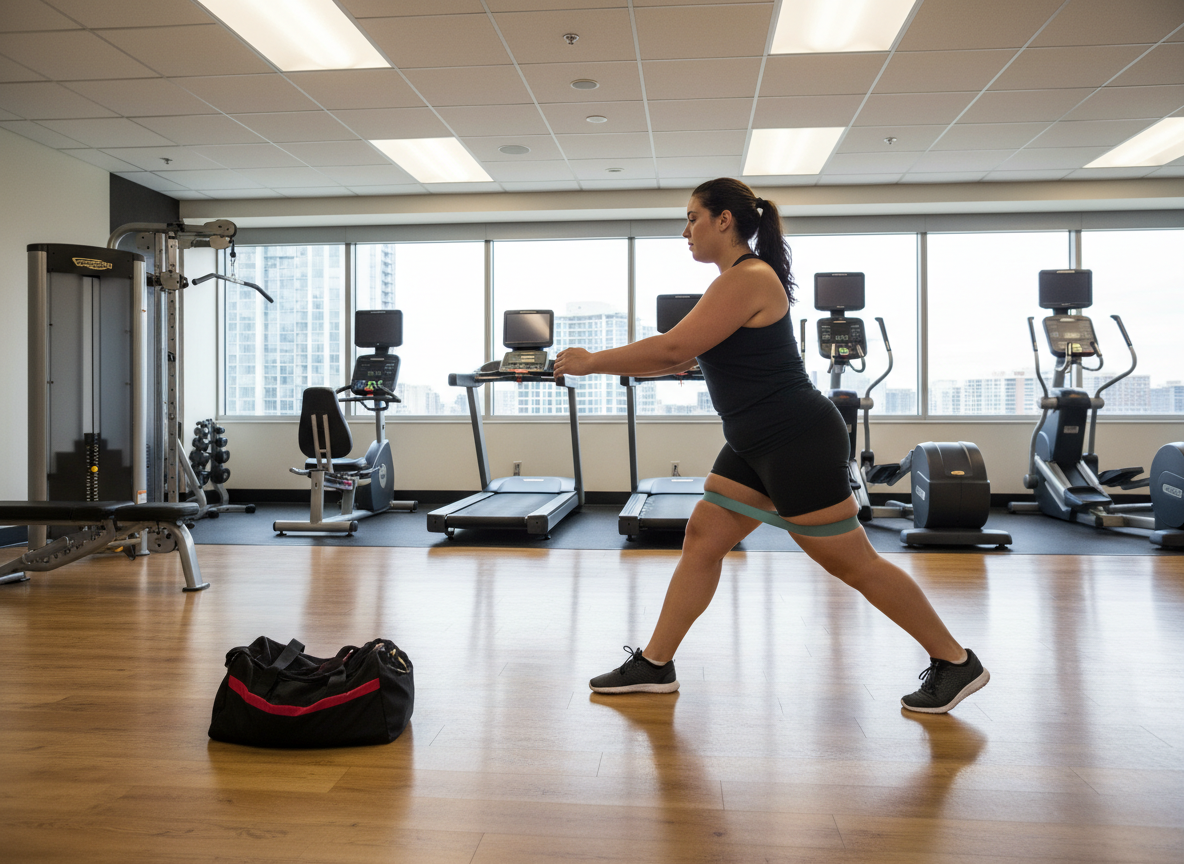
- resistance bands
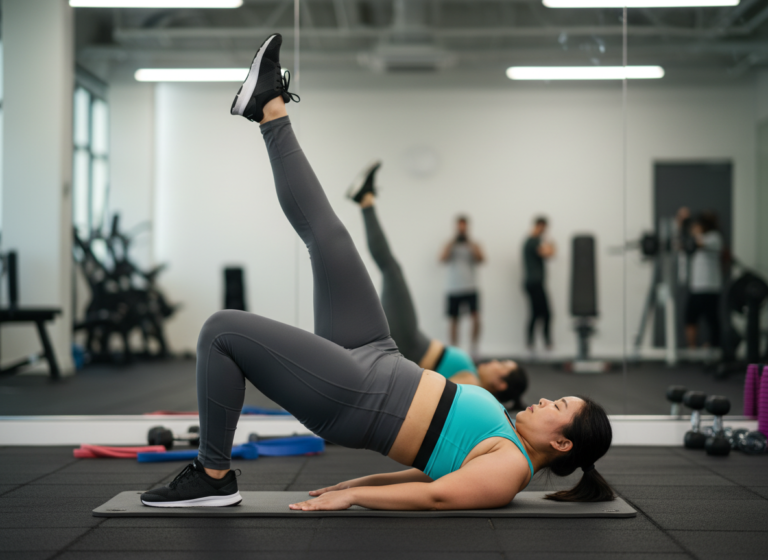
- bodyweight hip thrusts
- high-rep work
- tempo training
- progressive overload
Weighted hip thrusts and RDLs accelerate growth, but home-based training still works.
4. Why don’t I feel my glutes during workouts?
This is usually caused by:
- weak mind-muscle connection
- tight hip flexors
- quad dominance
- not warming up properly
Solution: spend 3–5 minutes on activation (bridges, clamshells, band abductions) before training.
5. What are the best exercises for a rounder booty?
The essentials:
- Hip thrusts
- Glute bridges
- Romanian deadlifts
- Step-ups
- Kickbacks
- Curtsy lunges
- Frog pumps
These movements target all three glute muscles from different angles.
6. Do squats grow the glutes?
Squats primarily work the quads, not the glutes.
They support overall leg development but are not the top exercise for booty growth.
Hip thrusts and RDLs are more effective.
7. Can I build a booty if I’m skinny?
Yes. Skinny women can build glutes quickly because the muscles respond fast to resistance training.
Key requirements:
- higher calorie intake
- high-protein meals
- consistent progressive overload
Skinny women often see dramatic shape changes with dedicated booty programs.
8. Can I grow my booty without growing my legs?
Yes.
Use glute-dominant exercises like:
- hip thrusts
- bridges
- abductions
- kickbacks
- deadlifts
Avoid quad-dominant moves such as:
- heavy squats
- leg press
- forward lunges
Stick to glute-isolating exercises for better proportion.
9. Why is my booty getting smaller even though I work out?
Three common reasons:
- Too much cardio
- Not enough calories or protein
- Overtraining without recovery
Glutes shrink when your body is in a calorie deficit or doesn’t recover enough to grow muscle.
10. What should my booty workout include?
A balanced booty session has:
- Activation
- Heavy or moderate load work
- Glute isolation
- A pump finisher
- Stretching
This ensures activation, building, shaping, and recovery.
11. Should I train glutes and legs on the same day?
You can, but it’s not ideal for maximizing glute growth.
A dedicated glute day is more effective because you can target the booty without fatigue from quad work.
12. Can I build glutes at home without a gym?
Absolutely.
Home essentials:
- resistance bands
- a sturdy chair or couch for hip thrusts
- a yoga mat
- a single dumbbell (optional)
Bodyweight and bands can create excellent growth when used with proper form and progressive overload.
13. What’s the difference between toning and growing?
Toning = revealing muscle by reducing fat and increasing firmness.
Growing = increasing the size and shape of the glute muscles.
Both require strength training, but growing requires more resistance and calories.
14. Why do my quads take over?
Quad dominance happens when:
- your glutes are weak or inactive
- your form isn’t glute-biased
- your hip flexors are tight
- you rely on squats and lunges too much
Switch to glute-focused exercises and spend more time on activation.
15. Why do my hip dips still show?
Hip dips are natural anatomy.
You can reduce their appearance by strengthening:
- gluteus medius
- gluteus minimus
- upper-outer glutes
Exercises include: abductions, curtsy lunges, side-lying raises, and kickbacks.
16. How heavy should I lift for glutes?
Heavy enough to challenge you, but not so heavy your form breaks.
General guidance:
- 8–12 reps for strength and growth
- 15–25 reps for pump and shape
- increase weight when the last 2–3 reps feel challenging
You do not need extreme weight to grow glutes.
17. How many sets should I do per workout?
Beginners: 8–12 total sets per booty workout
Intermediate: 12–18 sets
Advanced: 16–22 sets
Total weekly sets matter more than daily sets.
18. What’s the best way to warm up?
Use activation movements such as:
- bridges
- donkey kicks
- side-lying raises
- band abductions
Follow this with 1–2 light warm-up sets of your main exercise.
19. What’s the best booty exercise for beginners?
Glute bridges.
They’re safe, simple, and highly effective for building awareness and early shape.
20. Can I train my booty every day?
No.
Glute growth requires recovery.
Daily training reduces strength, increases fatigue, and slows progress.
Stick to 2–3 days per week.
21. How do I know if my glutes are growing?
Signs include:
- better muscle activation
- increased strength
- clothes fitting differently
- more roundness near the upper and side glutes
- improved posture
- stronger hip extension
You may see results before the scale changes.
22. Should I do cardio?
Yes, but choose glute-friendly cardio:
- incline walking
- stair climbing
- elliptical with resistance
High-intensity long-duration cardio can shrink glutes, especially in calorie deficits.
23. How important is nutrition for booty programs?
Extremely important.
Glutes grow only when you provide the body with:
- enough protein (0.7–1g per pound of bodyweight)
- enough calories
- enough recovery time
Training is only half of the equation.
24. How do I fix lower-back pain during booty workouts?
Usually caused by:
- hyperextending the lower back
- not tucking the pelvis
- weak core
- poor hip positioning
Solve it by:
- practicing pelvic control
- strengthening glutes
- using slower tempo
- avoiding excessive lower-back arching
Hip thrusts and RDLs should feel like glutes are working, not the spine.
25. What’s the best overall program structure for glute transformation?
A strong 12-week program includes:
- 2–3 booty sessions weekly
- mix of strength + volume + isolation
- progressive overload
- warm-ups and activation
- adequate recovery
- nutritional support
- monthly increases in intensity
Your body needs structure, repetition, and progression to transform.
Final Thoughts: Your Booty Questions Have Answers — And Your Results Are Within Reach
This FAQ covers the most common challenges women face when sculpting their glutes.
Remember:
- glutes respond to smart programming
- consistency is more important than intensity
- growth happens in phases
- your results reflect your habits, not your genetics
With structured training, proper recovery, and a goal-oriented mindset, your glute transformation is guaranteed.
You now have clarity.
You know what works.
You know what doesn’t.
All that’s left is to follow your program and trust the process.